πŸ›’ 0
Cellular Energy & Longevity

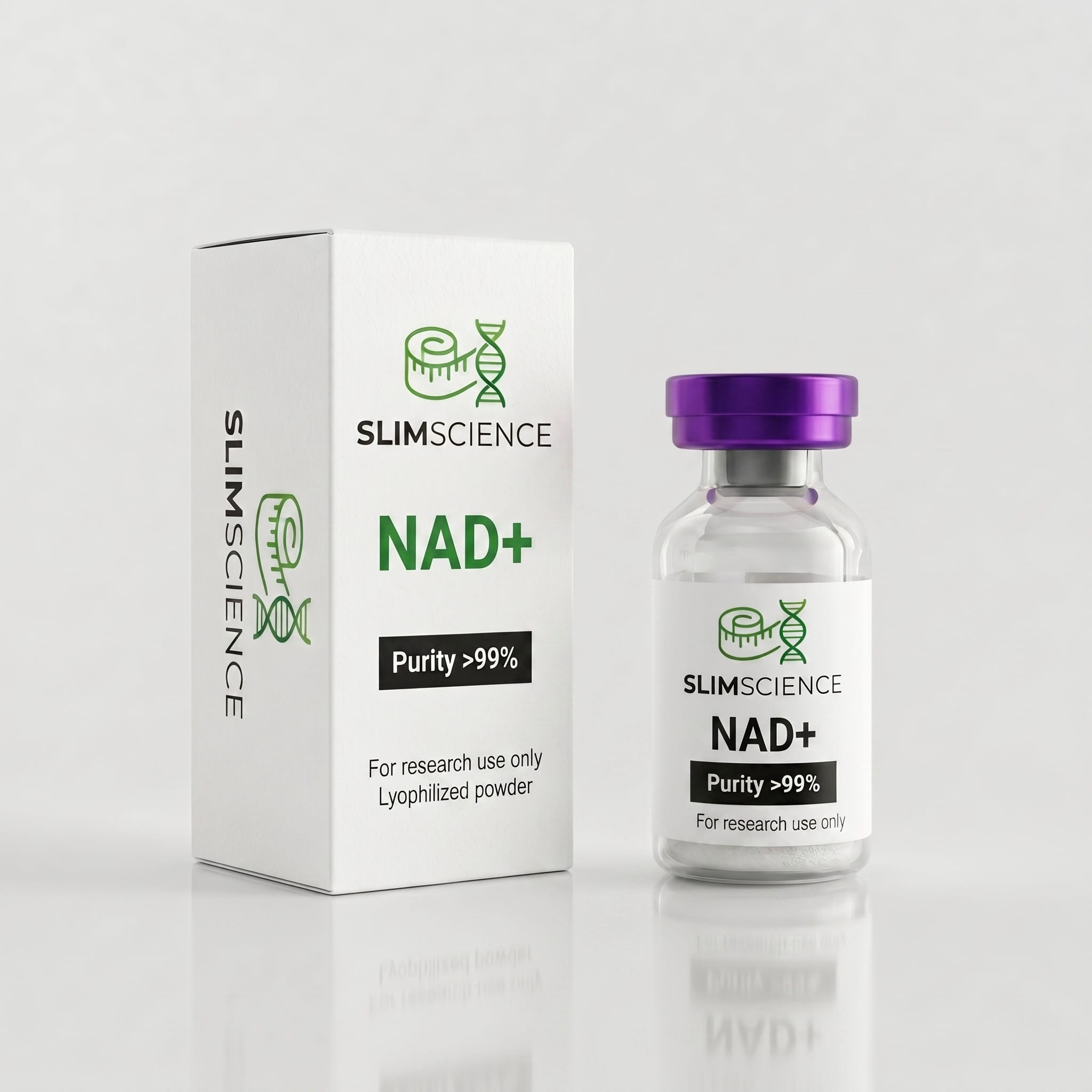
NAD+

Mitochondrial Coenzyme (Molecular Mass: 663.43 g/mol)

ZAR 2,250.00
Unit Cost: ZAR 4.50 / mg
❄️ In Stock β€” Ready for Cold-Chain Dispatch
Loading shipping schedule...
Select Requisition Profile:
Allocation Quantity:
βœ“ >99.2% HPLC Purity
🧊 Cold-Chain Courier
πŸ”’ Secure EFT Payment
πŸ‡ΏπŸ‡¦ Synthesised in JHB

Batch Integrity Certificate

Analysis performed by Johannesburg Chemical Synthesis Lab Environment

HPLC: 99.41%

Batch ID

#NAD-LOADING

CAS Number

53-84-9

Appearance

Lyophilized White Powder

Validation Date

Loading date...

Clinical Dossier: NAD+

Comprehensive pharmacological data, standardized research protocols, and clinical cellular energy parameters for our stable dinucleotide formulation.

🧬 Pharmacological Profile

Nicotinamide Adenine Dinucleotide (NAD+) is an indispensable coenzyme found in every living cell, functioning as a critical electron carrier in mitochondrial redox reactions. It undergoes reversible reduction to NADH, driving the electron transport chain (ETC) across complexes I-IV to generate ATP via oxidative phosphorylation.

Beyond its metabolic co-factor role, NAD+ serves as an obligate substrate for regulatory enzymes, specifically sirtuins (SIRT1, SIRT3) and PARP (Poly ADP-Ribose Polymerase) DNA repair enzymes. These pathways regulate cellular aging, chromatin silencing, and overall genomic stability, directly managing oxidative DNA damage.

πŸ“Š Observed Clinical Efficacy

Oral administration of NAD+ precursors (like NR or NMN) is subject to extensive first-pass hepatic degradation, significantly limiting systemic tissue availability. Exogenous, parenteral administration of reduced NAD+ bypasses enzymatic degradation, delivering raw coenzyme straight into systemic pools.

In clinical research models, direct NAD+ replenishment consistently helps reverse age-associated mitochondrial decay, improves skeletal muscle insulin sensitivity, and clears severe neuro-inflammatory parameters (commonly presented as "brain fog"). At a chromosomal level, maintaining robust NAD+ pools is required for PARP enzymes to successfully repair damaged DNA, making it vital for anti-aging and long-term cellular preservation protocols.

⏱️ Standardized Research Protocol

The standard research framework follows a consistent daily or bi-weekly scheduling format to preserve baseline plasma availability margins during cellular energy restoration phases.

Phase Frequency Dosage (Per Admin)
Initiation / Sensitization 2x Weekly 25 mg
Standard Longevity 2 - 3x Weekly 50 mg
Acute Energy Deficit 3x Weekly 100 mg

πŸ§ͺ Reconstitution & Handling

NAD+ 500mg vials are synthesized in our Johannesburg laboratory and dispatched as a lyophilized powder. It must be reconstituted prior to administration using Bacteriostatic Water (BAC). NAD+ is exceptionally sensitive to light and heat degradation.

  • Inject BAC liquid slowly against the internal side of the glass container to avoid structural stress.
  • Do not shake the container. Swirl with a gentle rolling hand motion until the clear solute configuration has completely dissolved. Store at 2Β°C to 8Β°C immediately.

πŸ“ Reconstitution Math (500mg):

Adding 5mL of Bacteriostatic Water to a 500mg vial yields a concentration of 100mg per 1mL.

(e.g., A standard 50mg reference dose equates to 50 units / 0.5mL on a standard syringe).

⚠️ Research Requisition Disclaimer (SAHPRA Compliance)

All synthetic peptides and clinical compounds supplied by Slim Science are synthesized strictly for laboratory evaluation, biochemical profiling, and in-vitro research parameters. These formulations have not been evaluated by the South African Health Products Regulatory Authority (SAHPRA) and are not registered under the Medicines and Related Substances Act, 101 of 1965. They are not intended for human diagnostic, therapeutic, or clinical intervention.